
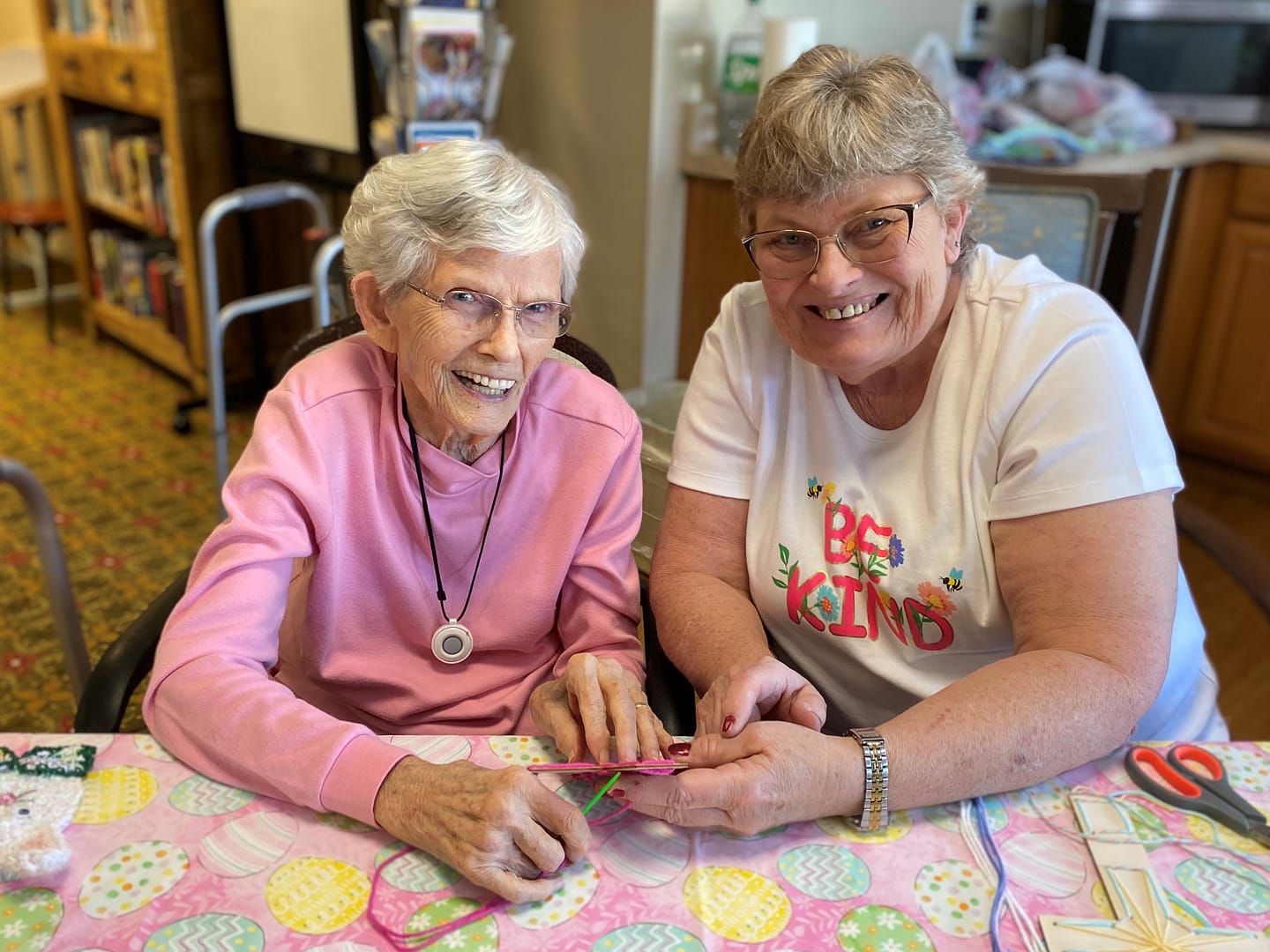
For many older adults, the hesitation around assisted living isn’t about fear of care — it’s about identity.
“I’m not there yet” often means:
I still know who I am.
I still make my own decisions.
I still have a life that feels like mine.
And adult children hear it too. They sense that bringing up assisted living feels less like offering support and more like challenging how their parent sees themselves. That’s where the pause happens. Not because families don’t care — but because no one wants to take something away too soon.
The truth is, this hesitation makes sense. But it’s also built on an outdated picture.
The real reason imagining assisted living feels hard
Most people are still holding onto an image that no longer fits reality.
They imagine:
- A place you move after everything else is gone.
- Less privacy.
- Less choice.
- A loss of independence.
So when someone says, “I’m not there yet,” what they’re really saying is:
“That picture doesn’t look like me.”
And they’re right — because today’s assisted living isn’t designed around what someone has lost. It’s designed around what they still value.
Identity doesn’t disappear — it gets protected
One of the biggest shifts happening in senior living is this:
Assisted living is no longer about taking over. It’s about taking pressure off.
For many older adults, daily life has quietly become smaller:
- Cooking feels exhausting.
- Managing medications is stressful.
- Driving feels risky, but giving it up feels final.
- Home upkeep becomes a constant worry.
Yet none of that shows up in how they see themselves.
Assisted living today is about right-sized living — creating a space where people can keep their routines, preferences, and independence, without carrying the full weight of daily demands alone.
What “right-sized living” really looks like
Right-sized living doesn’t mean less life. It often means more room for the parts that matter most.
It can look like:
- More time for relationships because energy isn’t spent managing everything behind the scenes.
- Fewer daily burdens without giving up control or choice.
- More privacy, not less — a private apartment, your own schedule, your own space.
- More confidence knowing support is there, even if it’s rarely needed.
For many residents, the biggest surprise isn’t what they gave up — it’s what they got back.
Why this shift matters for adult children, too
Adult children often wait because they don’t want to push a parent into something that doesn’t align with who they are.
But here’s the quiet truth:
Waiting until a crisis doesn’t protect identity — it often removes choice.
Planning earlier allows conversations to happen calmly. It lets older adults participate in decisions. It preserves autonomy instead of reacting to emergencies.
Learning about assisted living doesn’t mean someone is “there.”
It simply means they’re staying in control of what comes next.
A new way to imagine support
The conversation doesn’t have to start with moving.
It can start with imagining life feeling a little lighter.
- What if home felt easier to manage?
- What if daily routines took less effort?
- What if support existed quietly in the background — not front and center?
For many families, assisted living becomes less about a destination and more about a better way to live right now.
And for those who say, “I’m not there yet,” the most honest answer might be this:
You don’t have to be.
But understanding your options — before you need them — can help you stay exactly who you are.