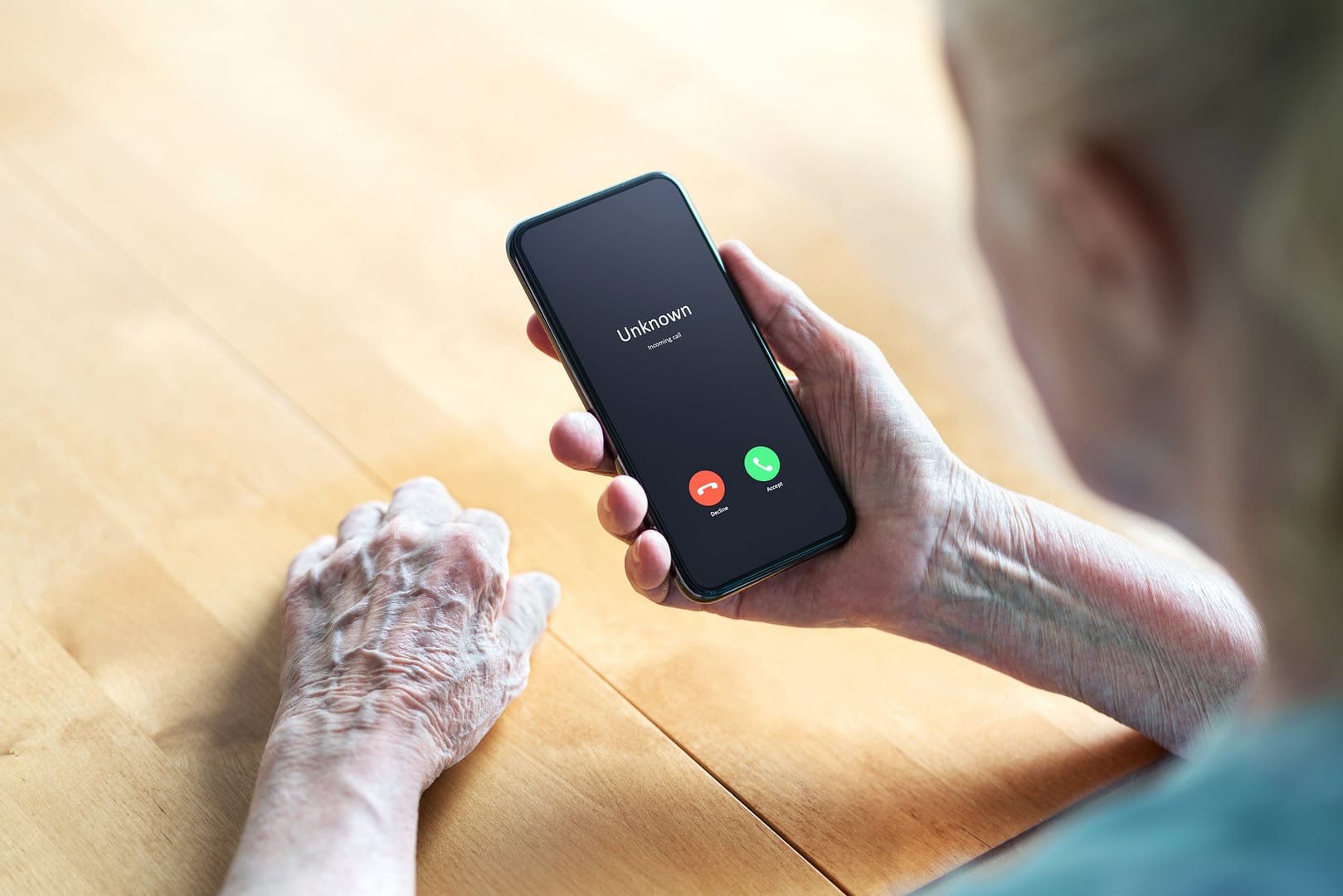
Maybe you have received one of those texts going around, citing that you have unpaid tolls due, but you can’t remember driving on any toll roads. Don’t fall for it—it’s a scam.
Unfortunately, in today’s digital age, scams have become increasingly sophisticated, often targeting seniors. Recognizing common types of scams and knowing how to respond is crucial for seniors and their families. At Morning Pointe Senior Living, we prioritize the safety and well-being of our residents and other seniors, so we want to share with you some specific scams you may encounter and some tips to avoid falling for scams in general.
Common Senior Scams
- Grandparent Scam: A caller pretends to be a grandchild in distress, requesting money for emergencies. They may use personal details to make the story convincing.
- Tech Support Scam: Fraudsters claim there’s a problem with your computer, urging you to grant remote access or pay for unnecessary services.
- Government Impersonation: Scammers pose as officials from agencies like the Social Security Administration, threatening legal action unless immediate payment is made.
- Romance Scams: Con artists build fake relationships online, eventually requesting money for fabricated emergencies.
- Investment Scams: Fraudulent schemes promise high returns, often involving cryptocurrencies or other complex investments.
Tips to Protect Yourself and Loved Ones
- Verify Before You Trust: Always confirm the identity of anyone requesting money or personal information.
- Avoid Unsolicited Requests: Be cautious of unexpected calls, emails, or messages asking for sensitive information.
- Use Strong Passwords: Protect your accounts with complex passwords and change them regularly.
- Educate Yourself: Stay informed about common scams and share this knowledge with friends and family.
- Try the Number. If you receive a phone call you suspect is a scam, write down their number, and then call them back. Caller IDs can be spoofed, but they can’t fake the real number you would use to return the call.
- Report Suspicious Activity: If you suspect a scam, report it to the Federal Trade Commission at ReportFraud.ftc.gov.
How Morning Pointe Helps Protect Against Scams
At Morning Pointe Assisted Living and Memory Care communities, our staff is available 24/7 to support residents—not just with health and daily needs, but also with questions about suspicious messages, phone calls, or unfamiliar requests. If something doesn’t seem right, our team is always here to help seniors pause, double-check, and avoid falling victim to scams.
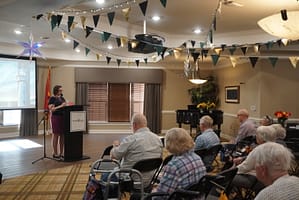
In addition, many of our communities host special events with guest speakers, including local law enforcement and elder fraud specialists, who offer educational sessions on scam prevention and personal safety. These talks empower residents and their families with the knowledge they need to stay protected.

~
More Resources for Education on Senior Scams
Here are some additional trusted websites and organizations offering up-to-date education, tools, and support:
- Federal Trade Commission (FTC) – www.consumer.ftc.gov
- Offers scam alerts, fraud reporting tools, and educational resources for consumers, including seniors.
- AARP Fraud Watch Network – www.aarp.org/fraudwatchnetwork
- Provides free watchdog alerts, scam-tracking maps, and a helpline specifically for older adults.
- FBI Elder Fraud Page – www.fbi.gov/scams-and-safety
- Features information on common scams targeting seniors and how to report fraud to the authorities.
- National Council on Aging (NCOA) – www.ncoa.org
- Shares tips for recognizing scams, especially those related to finances and health care.
- IdentityTheft.gov – www.identitytheft.gov
- A one-stop resource for recovering from identity theft and reporting incidents.
These resources are excellent tools for seniors, caregivers, and families to stay informed and take proactive steps against fraud.
Conclusion
By staying vigilant and informed, seniors and their families can effectively guard against scams. At Morning Pointe Senior Living, we are committed to providing resources and support to ensure our residents’ safety and peace of mind.