
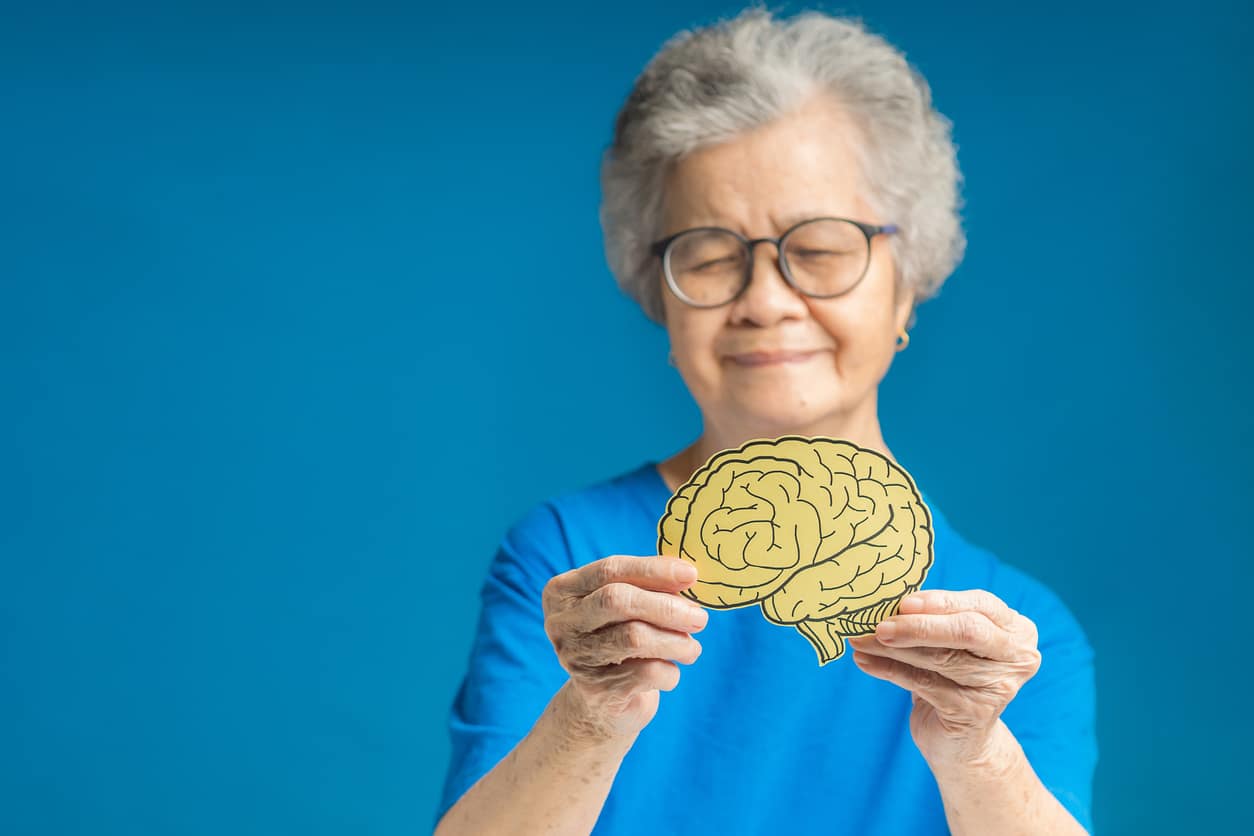
If you or someone you love has started noticing changes in memory, focus, or thinking, it can feel scary. Many families wonder:
- Is this normal aging?
- Should we be worried about dementia?
- What can we actually do to help the brain stay healthy?
The good news is that there are things you can do right now to support brain health. Research continues to show that staying mentally, physically, and socially active can make a real difference.
In fact, a large national research project called the U.S. POINTER Study found that a combination of lifestyle habits like physical activity, brain stimulation, healthy eating, and good medical care can actually slow down brain aging and even improve cognitive health over time.
The takeaway is simple: the brain thrives when we keep using it.
Below are some practical, everyday activities that help keep the brain engaged and healthy.
Why Brain Activities Matter
Our brains work a lot like muscles. If we stop using them, they weaken. When we challenge them in healthy ways, they grow stronger.
Brain-healthy activities help with:
- Memory
- Attention and focus
- Mood and emotional health
- Social connection
- Confidence and independence
They can also give families something positive to do together, which is especially helpful when someone is experiencing mild cognitive impairment or early dementia.
Brain Activities You Can Start Today
You do not need expensive programs or complicated tools. Many of the best brain activities are simple and enjoyable.
Mental Activities
These help stimulate thinking and memory.
Try things like:
- Crossword puzzles or word searches
- Sudoku or number puzzles
- Reading books or short articles
- Writing stories, letters, or journaling
- Learning something new like a hobby or language
- Playing trivia games
Even talking about memories or telling stories from the past can be powerful brain exercise.
Physical Activities
Movement increases blood flow to the brain and supports overall health.
Simple ideas include:
- Walking
- Stretching or light yoga
- Dancing
- Gardening
- Chair exercises
- Tai chi or balance exercises
You do not need a gym. Regular movement throughout the day is what matters most.
Creative Activities
Creativity activates different parts of the brain.
Some great options:
- Painting or drawing
- Music or singing
- Playing an instrument
- Crafting
- Photography
- Baking or cooking
Creative activities are especially helpful for people with dementia because they allow expression even when words become harder to find.
Social Activities
Isolation can speed up cognitive decline. Staying connected helps the brain stay engaged.
Helpful activities include:
- Group games
- Book clubs
- Church groups
- Volunteer work
- Family gatherings
- Walking with friends
Even a simple daily conversation can stimulate the brain.
Activities for Someone With Early Dementia
When dementia is present, activities may need to be simplified, but they are still extremely important.
Focus on:
- Familiar routines
- Short activities (10–20 minutes)
- Sensory experiences like music or nature
- Activities done together, not alone
Examples include:
- Looking through photo albums
- Folding laundry together
- Listening to favorite music
- Taking short walks
- Simple crafts or coloring
- Cooking a favorite recipe
These moments are not just activities. They are connection, dignity, and quality of life.
Helpful Programs That Guide Brain Activities
Sometimes families want ideas but are not sure where to start. That is why organizations like
Their programs include:
Brain Boost
- Designed for people with mild cognitive impairment
- Focuses on independent activities that support brain health
Brain Health 101
- Designed for people living with early to moderate dementia
- Provides ideas for activities families can do together
These programs offer short videos, simple exercises, and practical guidance to help families support brain health at home.
(bring in the QR code for these above like in our milestones article)
When Should You Talk to a Doctor?
Some memory changes are normal with age, but certain signs should be checked by a healthcare professional.
Watch for:
- Repeating the same questions often
- Getting lost in familiar places
- Trouble managing bills or medications
- Difficulty following conversations
- Personality or mood changes
Getting help early can make a big difference in treatment, planning, and quality of life.
A Final Thought
If you are worried about dementia or memory changes, you are not alone. Many families are walking this same path.
The most important thing to remember is this:
Small daily habits can make a meaningful difference for brain health.
Moving your body, engaging your mind, staying socially connected, and doing enjoyable activities are all powerful tools. And perhaps most importantly, these activities give families something positive to focus on together.
Because brain health is not just about memory.
It is about living well, staying connected, and making the most of every day.
add this at the end maybe:
A Note About This Article
This article is based on insights from Gregory A. Jicha, MD, PhD, Director of the UK Telemedicine Cognitive Clinic at the University of Kentucky Sanders-Brown Center on Aging, one of Morning Pointe Senior Living’s valued partners in brain health education.
Original feature in Morning Pointe Senior Living’s annual publication Milestones, it shares helpful guidance for individuals and families looking for ways to support brain health and stay mentally active as they age.