
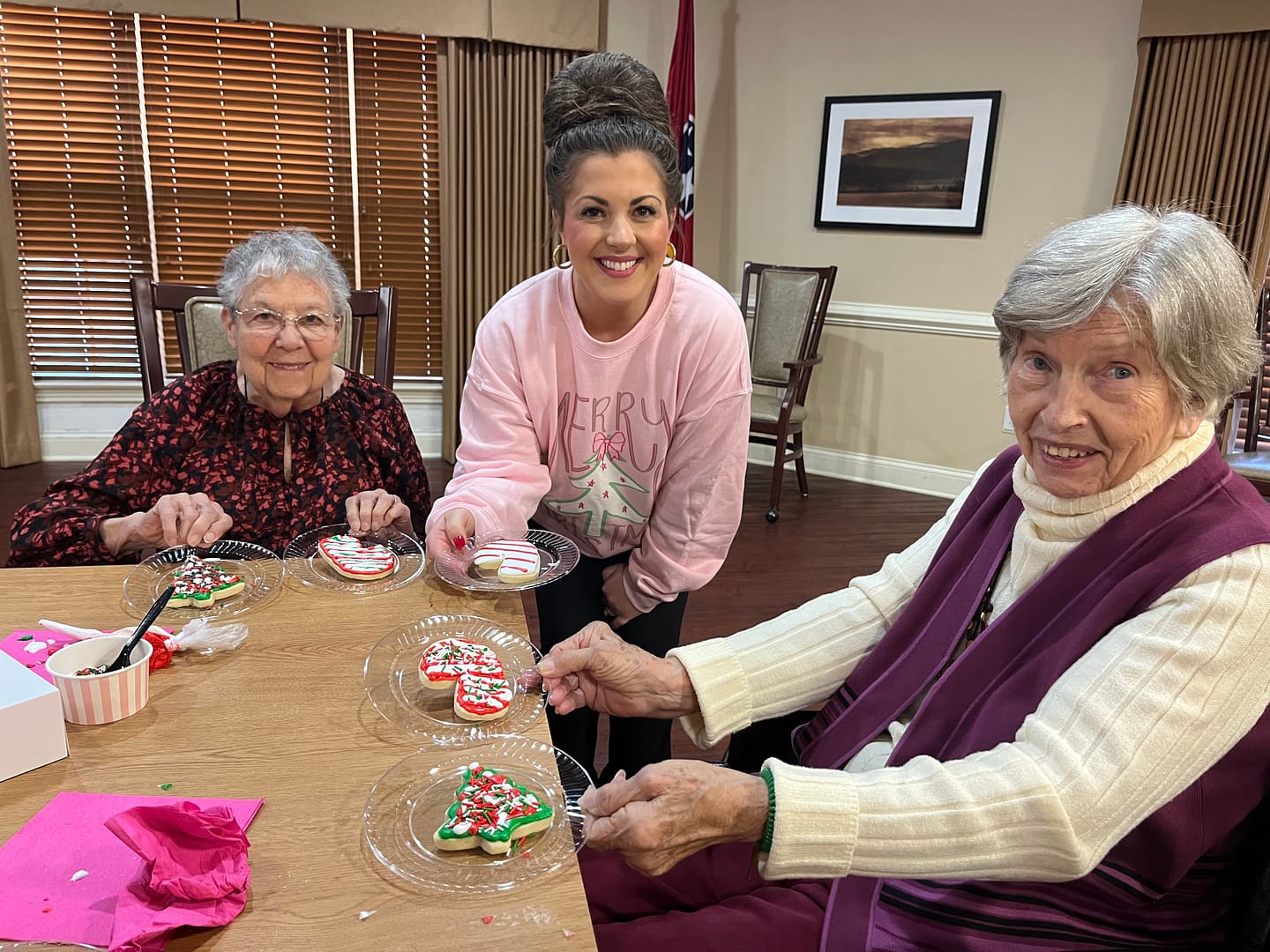
For many families, the holidays are the time when everyone finally slows down, gathers, and really sees one another again. And sometimes, that visit brings unexpected surprises.
Maybe Mom isn’t moving as easily as she said she was.
Maybe Dad’s memory slips are more frequent.
Maybe the house feels overwhelming for them to manage.
Or maybe an accident happened recently that they tried to downplay.
These moments can be jarring—and emotional. But they can also be the first step toward getting your loved one the support, safety, and connection they truly deserve.
Here’s a simple guide to navigating those concerns with clarity, honesty, and compassion.

1. Begin with Observation, Not Judgment
Before jumping into problem-solving, take a calm look at what you’re noticing.
Consider writing down:
- Changes in mobility, energy, or balance
- Missed medications or confusion around routines
- Unopened mail, clutter, expired food
- Repeated stories, forgetfulness, or safety hazards
- Difficulty keeping up with personal care
These observations aren’t criticisms—they’re clues. They help you understand what your loved one might not be able to put into words.
2. Start a Gentle, Respectful Conversation
This is often the hardest part. You want to help without making them feel embarrassed or powerless.
Try language that centers love and partnership:
- “I noticed a few things during my visit, and I want to make sure you’re safe and supported.”
- “This is coming from a good place—I care about you too much to ignore it.”
- “I wouldn’t be a good daughter/son if I didn’t talk with you about what I’m seeing.”
- “You’ve always taken care of me. Now it’s my turn to make sure you have what you need.”
Keep your tone calm, kind, and open. You’re not presenting a decision—you’re inviting a conversation.
3. Ask Open-Ended Questions
Instead of assuming the cause, ask:
- “How have you been feeling day-to-day?”
- “Has anything felt harder lately?”
- “Are there moments when you feel unsafe or overwhelmed?”
- “What worries you most about your health or home right now?”
Your loved one may open up more than you expect once the pressure is lowered.
4. Focus on Safety—and Independence
One of the most helpful ways to frame support is this:
Safety doesn’t take away independence. It protects it.
Consider saying:
- “If an accident happens and no one is there, I want you to have help right away.”
- “Having a safety net doesn’t mean losing control—it means you can keep doing the things you enjoy.”
- “Getting a little help now can prevent something bigger later.”
Most seniors want to stay independent as long as possible. Connecting support with preserving independence helps the conversation shift from fear to reassurance.
5. Take Small, Practical Next Steps
You don’t need to solve everything in one day. Start with manageable steps such as:
✔ Schedule a medical check-in
Rule out any sudden health issues, medication changes, or new diagnoses.
✔ Evaluate the home environment
Look for fall risks, cluttered pathways, poor lighting, or bathroom hazards.
✔ Bring in short-term help
Part-time caregivers, meal support, or medication reminders can make a big impact.
✔ Tour assisted living or memory care together
Not as a commitment—simply as information. Many families say:
“I didn’t know how much peace we could have until we saw it firsthand.”
✔ Stay involved and informed
Regular check-ins—whether calls, visits, or messages—make your loved one feel supported.
6. Reassure Them Every Step of the Way
Change is emotional—for everyone. Tell your loved one what’s true:
- “We’re not doing this to you, we’re doing this with you.”
- “You’re still in charge of your life—this is about keeping you safe and comfortable.”
- “Nothing will happen without talking through it together.”
- “You deserve to feel secure, supported, and surrounded by people who care.”
When seniors understand that support is rooted in love—not control—they’re more open to exploring new options.
7. Remember: You Don’t Have to Navigate This Alone
Reaching out for help is not a failure—it’s wisdom. Senior living teams, care professionals, and community resources exist to guide families through these moments with dignity and respect.
You’re being thoughtful. You’re being proactive.
And you’re doing exactly what a loving family member should do.