
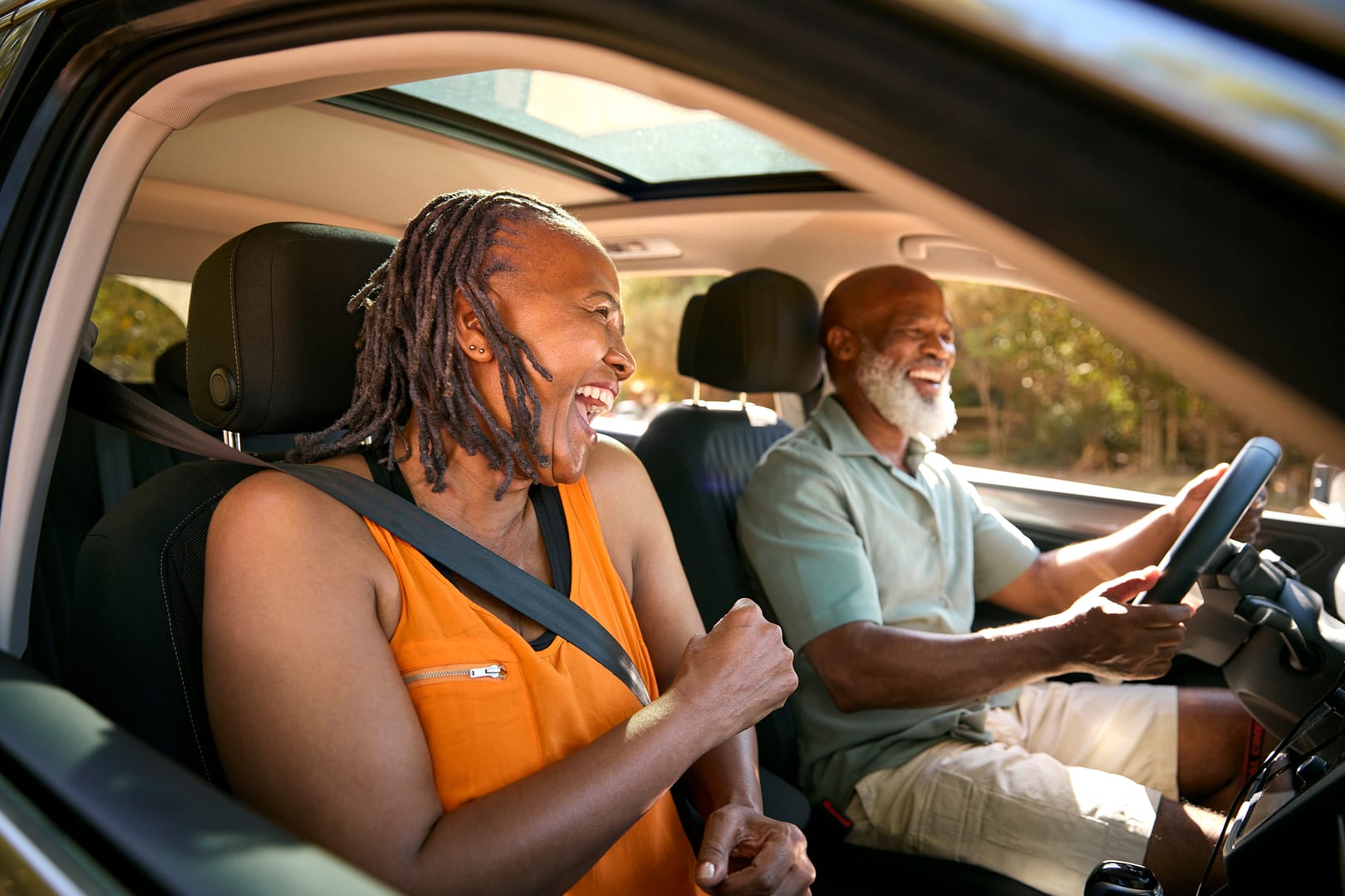
Giving Up the Keys Isn’t About Losing Independence. It’s About Staying Safe.
For many older adults, driving represents freedom, independence, and the ability to stay connected to friends, family, appointments, and favorite places. That’s why conversations about driving can feel emotional for everyone involved.
The good news is that this doesn’t have to be a one-time conversation. In many families, it’s an ongoing discussion that evolves as needs change. Recognizing potential warning signs early allows everyone to plan ahead together, rather than making a difficult decision during a crisis.
Why Driving Can Become More Challenging With Age
Growing older doesn’t automatically mean someone should stop driving. Many older adults continue to drive safely for years.
However, certain age-related changes can affect driving, including:
- Slower reaction times
- Changes in vision or hearing
- Reduced flexibility or strength
- Side effects from medications
- Memory or judgment changes
- Certain medical conditions
The key is evaluating driving ability, not simply a person’s age.
Signs It May Be Time to Talk
Watch for changes that happen more than once or become more frequent.
Some common signs include:
- New dents or scrapes on the vehicle
- Getting lost on familiar routes
- Missing stop signs or traffic signals
- Difficulty judging distances or making turns
- Confusion in busy traffic
- Increased close calls or near accidents
- Family or friends expressing concern
- Avoiding driving at night, in rain, or on busy roads because it feels overwhelming
- Receiving traffic tickets or warnings
- Feeling unusually anxious or nervous while driving
One sign alone doesn’t necessarily mean someone should stop driving, but several together may be worth discussing.
How to Start the Conversation
This can be one of the hardest conversations families have. The goal isn’t to take away independence. It’s to protect safety while preserving dignity.
A few tips:
- Choose a calm time rather than bringing it up after an upsetting event.
- Listen as much as you talk.
- Focus on safety instead of age.
- Share specific observations rather than general concerns.
- Include your loved one in finding solutions.
- Recognize that this may take several conversations.
Remember that giving someone time to process the discussion is often just as important as the discussion itself.
Explore Transportation Options Together
Many older adults worry that stopping driving means becoming isolated.
Planning ahead can help ease those concerns.
Depending on where someone lives, options may include:
- Family and friends
- Community transportation programs
- Ride-sharing services
- Faith-based volunteer drivers
- Senior transportation services
- Scheduled outings and group transportation
Having a plan before driving becomes unsafe can make the transition much smoother.
Sometimes the Conversation Continues After a Move
Families are often surprised to learn that this topic doesn’t always end when someone moves into assisted living.
Some residents choose to continue driving for a period of time, while others decide it’s the right moment to stop. As health needs change, families may revisit the conversation together with the support of community leadership and healthcare providers.
The most important goal is helping older adults remain active, engaged, and connected, even if they’re no longer behind the wheel.
How Morning Pointe Can Help
At Morning Pointe Senior Living, we understand that conversations about driving can be emotional. Our team is often a resource for families as they navigate these important decisions.
Whether someone is still living at home or has already moved into one of our communities, we’re here to listen, answer questions, and help families explore options that support both safety and independence. With engaging activities, scheduled outings, transportation for many appointments and events, and opportunities to stay connected, many residents discover they can continue enjoying an active lifestyle without the responsibility of driving alone.
Sometimes, the hardest conversations become a little easier when you don’t have to face them by yourself.