
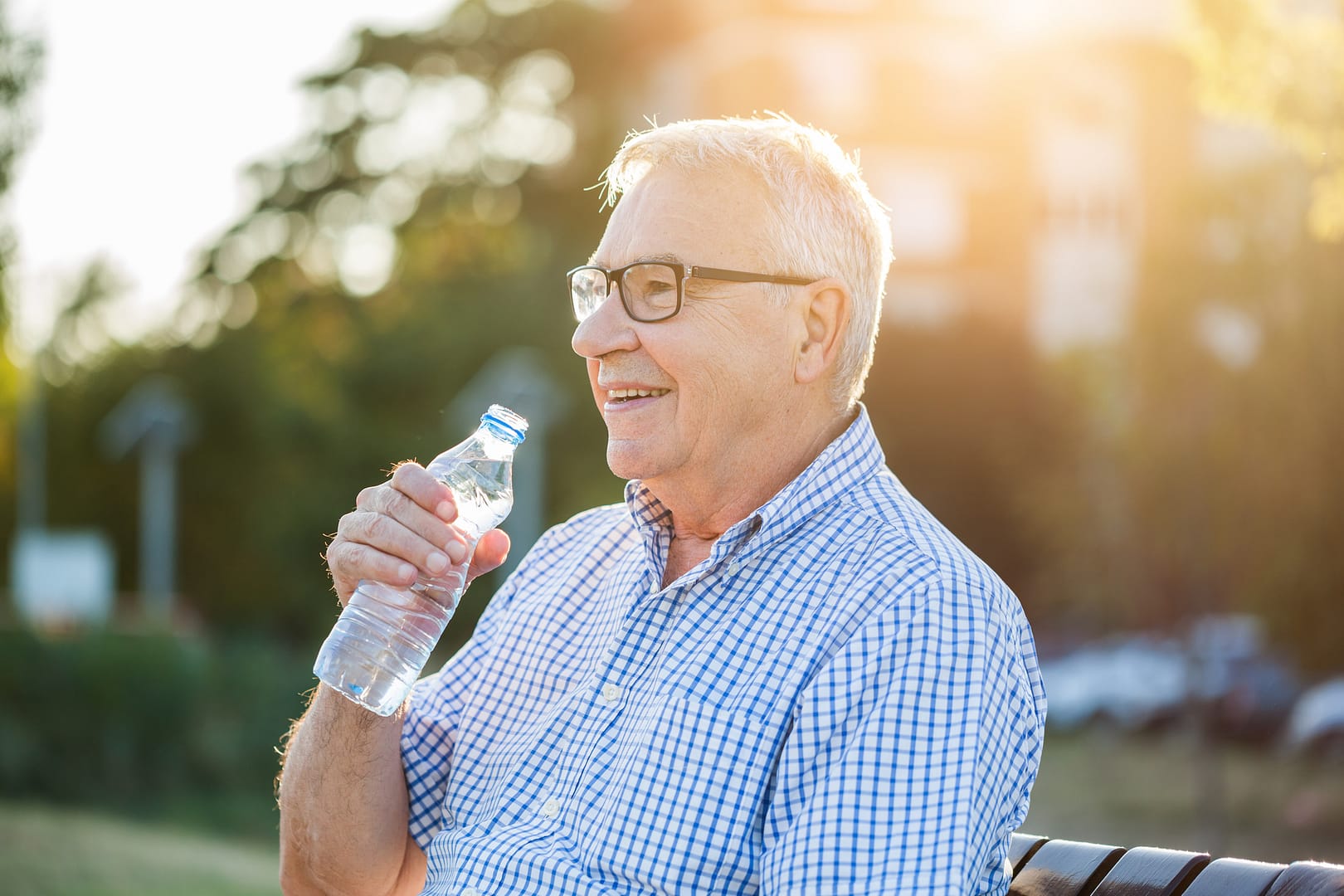
Summer is here, and with it come those temperatures in the 90s and even potentially the triple digits. While this weather can impact anyone, seniors should be especially cautious during the extreme heat.
Challenges and Concerns for Seniors in Extreme Heat:
- Dehydration: Seniors are more prone to dehydration due to a decreased sense of thirst, making it critical to ensure they drink enough fluids.
- Heat Exhaustion and Heat Stroke: Aging bodies are less efficient at regulating temperature, increasing the risk of heat-related illnesses such as heat exhaustion and heat stroke.
- Medication Effects: Some medications common among seniors can impair the body’s ability to regulate temperature or increase sensitivity to sunlight.
- Chronic Conditions: Pre-existing health conditions like heart disease, diabetes, and respiratory issues can be exacerbated by high temperatures.
- Limited Mobility: Seniors with limited mobility might find it harder to access cooler environments or take protective measures against the heat.
“Seniors should be aware that as we age, heat has a bigger effect on our bodies,” said Bebe Kennedy, RN, vice president of clinical services for Morning Pointe Senior Living. “As we enter the summer months, it’s important for seniors to keep drinking water, keep their fluids up, keep their body temperatures well-regulated and stay out of the hot sun as much as possible.”
Thankfully, there are measures seniors can take to stay safe, even during extreme temperatures.
- Stay Hydrated: Drink plenty of water throughout the day, even if you don’t feel thirsty. Keep a glass or bottle of water nearby, and for added flavor, you can add a splash of lemon juice or lime juice. Avoid alcohol and caffeinated beverages, which can lead to dehydration.
- Wear Appropriate Clothing: Choose lightweight, loose-fitting, and light-colored clothing. Natural fabrics like cotton are more breathable and help keep you cool.
- Use Air Conditioning: Spend time in air-conditioned buildings as much as possible. If you don’t have air conditioning at home, visit public places like shopping malls, libraries, or community centers.
- Avoid Direct Sun Exposure: Stay indoors during peak sun hours (10 a.m. to 4 p.m.). If you must go outside, wear a wide-brimmed hat, sunglasses, and use sunscreen with SPF 30 or higher.
- Cool Down with Water on Your Skin: Take cool showers or baths. You can also use wet cloths or cool packs on your wrists, neck, and temples to help lower your body temperature.
- Eat Light Meals: Eat smaller, more frequent meals that are easy to digest. Avoid heavy, hot foods that can raise your body temperature.
- Keep Physical Activity Light: Reduce strenuous activities during the hottest parts of the day. If you exercise, do it during the cooler morning or evening hours.
- Use Fans Wisely: While fans can provide some relief, they may not be effective at very high temperatures. Use them in conjunction with other cooling methods like air conditioning or open windows during cooler times.
- Stay Informed: Keep up with local weather forecasts and heat advisories. Know the signs of heat-related illnesses and seek medical attention if necessary.
- Check on Others: Have someone check on you regularly during extreme heat. If you know other seniors living alone, check on them as well to ensure they are staying cool and hydrated.
By following these tips, seniors can better protect themselves from the dangers of extreme heat and stay comfortable during hot weather. And at Morning Pointe Senior Living, our associates are dedicated to helping protect our residents’ health through the summer by keeping them cool and hydrated.