Falls are one of the most common health challenges older adults face. While they may not always be preventable, there are many ways to reduce the risk and create safer environments for seniors — both in assisted living communities and at home.

🏡 In Assisted Living & Memory Care: What Staff Do
1. Regular Safety Checks
- Staff walk through hallways and resident rooms to make sure pathways are clear of clutter, loose rugs, and cords.
2. Proper Lighting
- Keeping common areas and rooms well-lit, especially at night, so residents can see where they are going.
3. Supportive Footwear & Mobility Aids
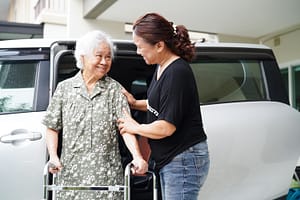
- Encouraging residents to wear safe shoes (no floppy slippers) and ensuring walkers or canes are properly fitted.
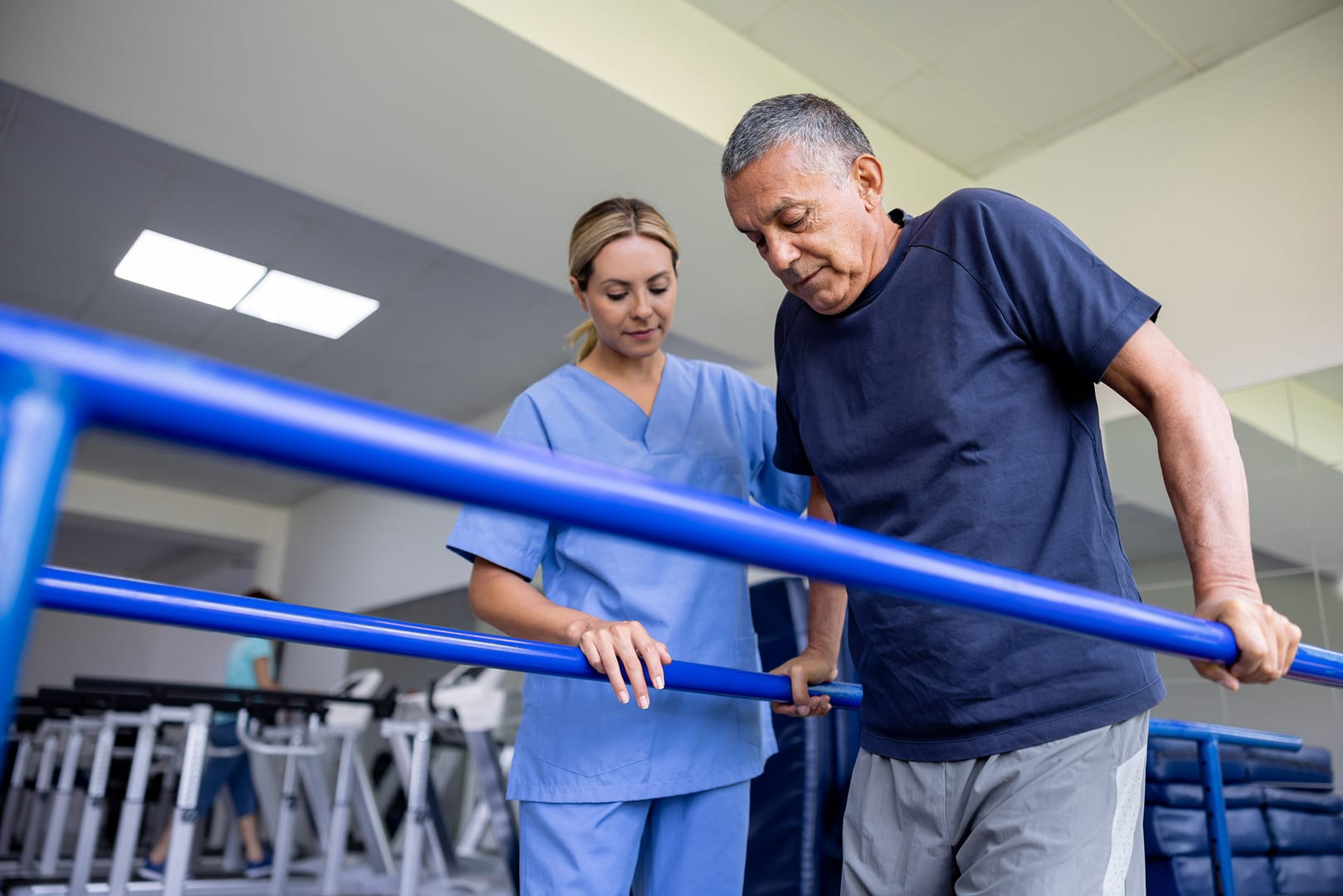
4. Strength & Balance Activities
- Offering exercise classes, stretching, and activities that keep residents moving and steady on their feet.
5. Quick Response & Communication
- Staff check in regularly with residents, listen when someone says they feel unsteady, and act quickly after any change in health or medication.
6. Memory Care Awareness
- In memory care, team members gently guide residents who may not recognize their limitations, helping them avoid unsafe situations.
🏠 At Home: What Seniors & Families Can Do
1. Clear the Walkways
- Remove throw rugs, electrical cords, or clutter from hallways and living areas.
- Keep commonly used items within easy reach to avoid climbing or stretching.
2. Light It Up
- Add night lights in bathrooms, bedrooms, and hallways.
- Make sure stairways and entrances are well lit.
3. Choose the Right Shoes
- Wear shoes with non-slip soles — avoid socks or floppy slippers.
4. Stay Active
- Gentle exercises like walking, tai chi, or stretching can improve strength and balance.
- Ask your doctor about physical therapy if you’re feeling weak or unsteady.
5. Review Medications
- Some medicines can cause dizziness. Always check with a doctor or pharmacist if you notice new balance issues.
6. Don’t Be Afraid to Ask for Help
- If you feel unsteady, use a cane or walker.
- Talk with family members about installing grab bars in the bathroom or railings on stairs.
💡 Key Takeaway
Falls can happen — but with awareness, preparation, and teamwork, we can reduce the risks and keep seniors safer. Whether it’s staff checking in at assisted living or families making small changes at home, every step toward prevention makes a difference.