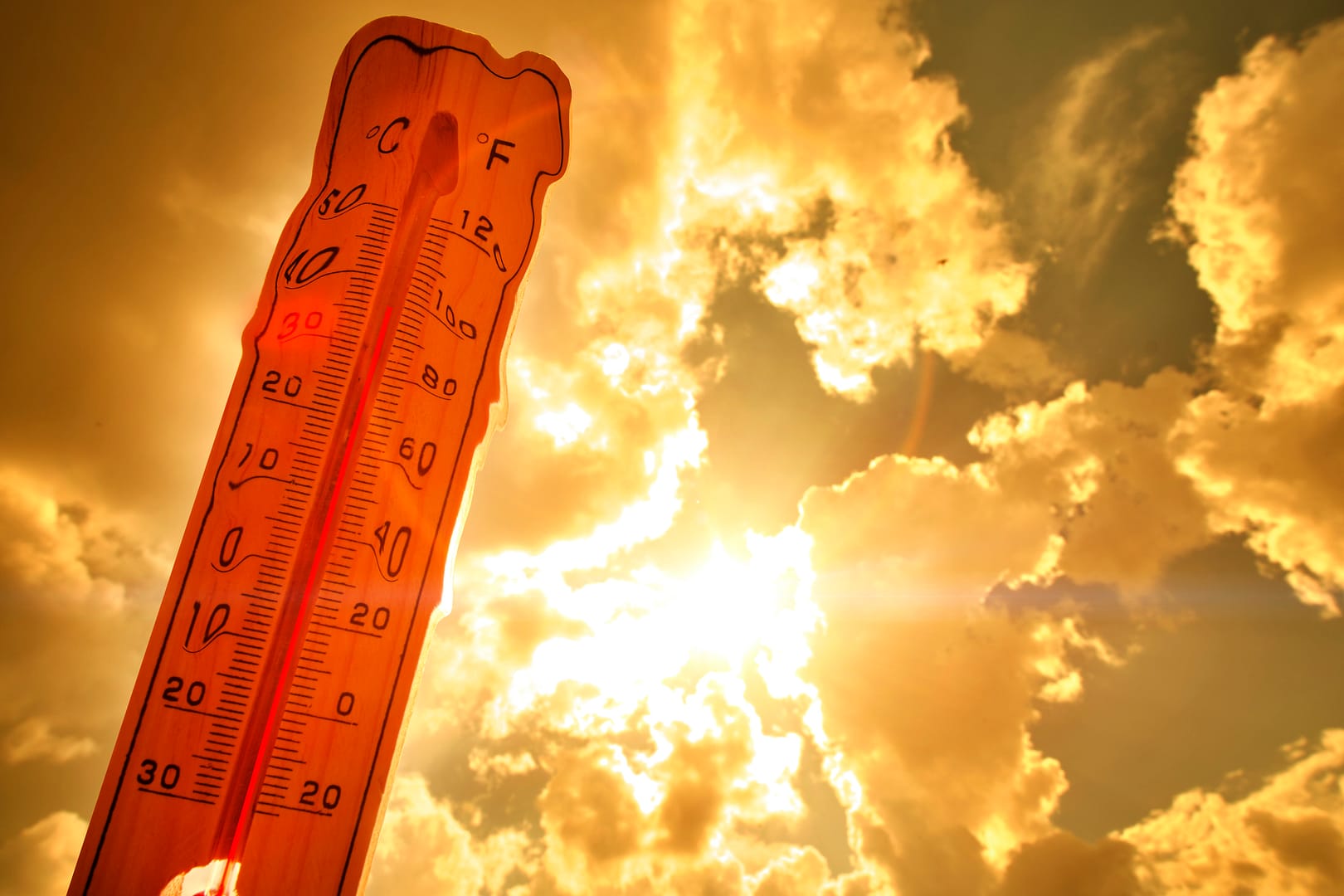
With temperatures soaring close to 100°F, the summer heat isn’t just uncomfortable—it can be dangerous, especially for older adults. Seniors are more vulnerable to heat-related illnesses due to age-related changes in the body, reduced ability to regulate temperature, and certain medications or chronic health conditions. Recognizing the signs of heat stress, staying properly hydrated, and keeping cool aren’t just tips—they’re lifesaving measures during a heat wave.

Additional Tips to Stay Cool & Safe:
- Stay Indoors During Peak Heat: Avoid outdoor activities between 10 a.m. and 4 p.m. when the sun is strongest.
- Use Fans and A/C Wisely: Spend time in air-conditioned spaces or public cooling centers if home A/C isn’t available.
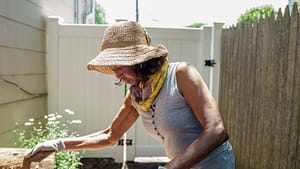
- Dress Smart: Lightweight, loose-fitting clothing and wide-brimmed hats help keep body temperature down.
- Cool the Body: Use cool damp cloths, take lukewarm showers, or soak feet in cool water to bring down core temperature.
- Check on Others: Seniors living alone are at higher risk—family and neighbors should check in regularly during heat waves.
- Limit Caffeine & Alcohol: Both can accelerate dehydration.
- Watch for Warning Signs: Symptoms like dizziness, headache, confusion, or muscle cramps could indicate heat exhaustion or heat stroke—seek help immediately.
Among all the heat safety precautions, maintaining hydration stands out as one of the most vital—and often overlooked—needs for older adults.
At Morning Pointe Senior Living, we understand just how crucial proper hydration is for maintaining energy, cognition, balance, and overall health. Dehydration can lead to confusion, urinary tract infections, low blood pressure, and even falls—serious risks that can often be avoided with simple, consistent hydration habits.
That’s why we build hydration into our daily routines in creative and engaging ways. Whether it’s enjoying fruit-infused water at a gardening club meeting, sipping lemonade during a social event, or taking hydration breaks as part of our exercise and wellness programs, we make sure staying hydrated feels natural and fun. Our nursing and care teams also offer reminders throughout the day.
Water, tea, juice, and snacks with high water content are always within reach—and often enjoyed with friends, making hydration another way we foster community.
As always, it’s best to speak with your doctor about your personal hydration needs and how they may relate to any medical conditions or medications you may have. This blog is not intended to serve as medical advice, but rather to highlight the importance of this essential—and often overlooked—part of senior wellness.
For more guidance on aging well and how we can support your journey, connect with a Morning Pointe Senior Living community near you—we’re here to listen and help.