

Facebook Pixel

Staying Hydrated: Why It Matters More Than Ever for Seniors

As we age, our bodies undergo many changes—including how we regulate and perceive thirst. Seniors often don’t feel thirsty even when their bodies need fluids, making dehydration a common concern in older adults. Add in medications or certain health conditions, and it becomes even more important to stay on top of hydration.

At Morning Pointe Senior Living, we understand just how crucial proper hydration is for maintaining energy, cognition, balance, and overall health. Dehydration can lead to confusion, urinary tract infections, low blood pressure, and even falls—serious risks that can often be avoided with simple, consistent hydration habits.

That’s why we build hydration into our daily routines in creative and engaging ways. Whether it’s enjoying fruit-infused water at a gardening club meeting, sipping lemonade during a social event, or taking hydration breaks as part of our exercise and wellness programs, we make sure staying hydrated feels natural and fun. Our nursing and care teams also offer reminders throughout the day.
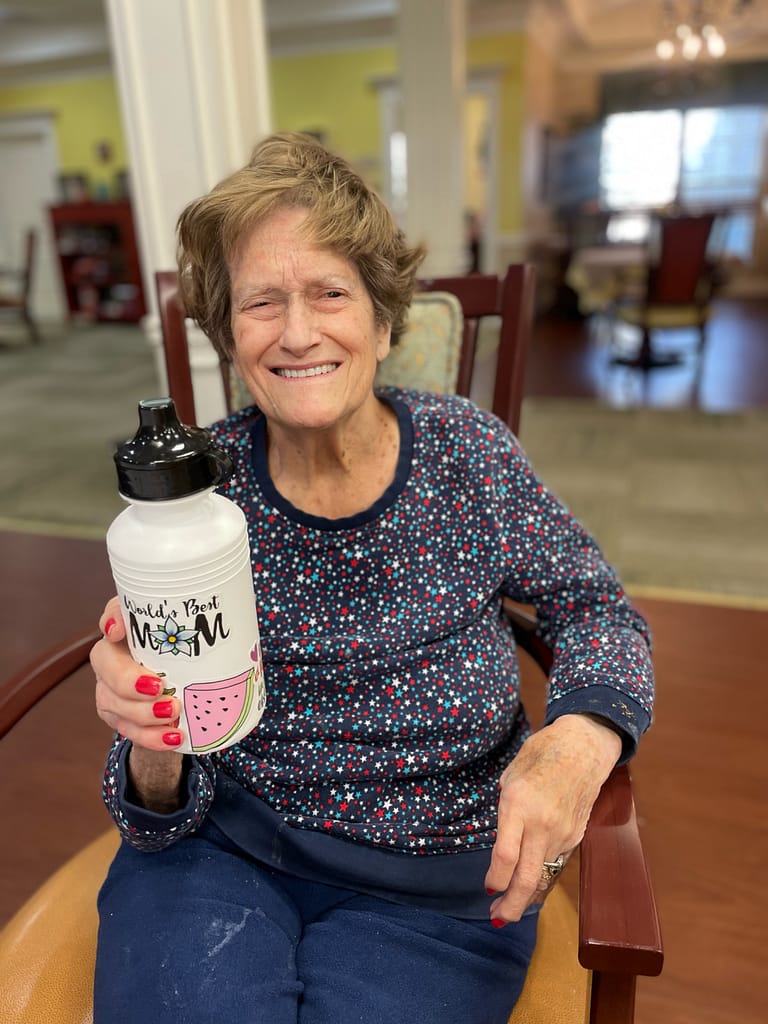
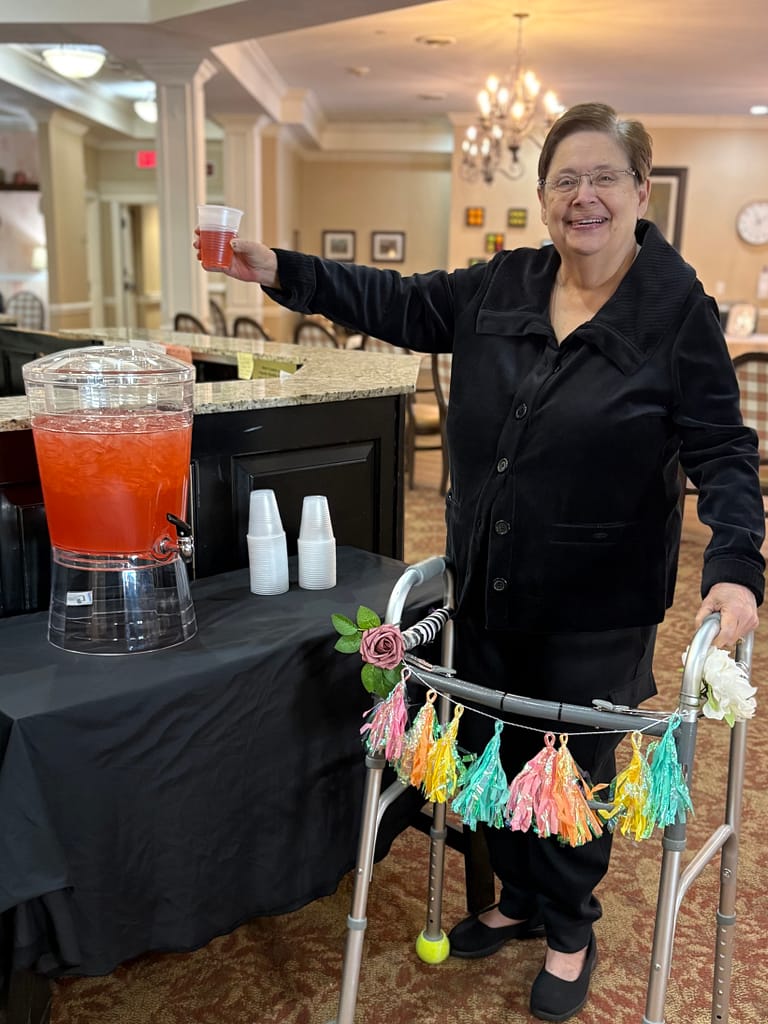
Water, tea, juice, and snacks with high water content are always within reach—and often enjoyed with friends, making hydration another way we foster community.

As always, it’s best to speak with your doctor about your personal hydration needs and how they may relate to any medical conditions or medications you may have. This blog is not intended to serve as medical advice, but rather to highlight the importance of this essential—and often overlooked—part of senior wellness.

For more guidance on aging well and how we can support your journey, connect with a Morning Pointe Senior Living community near you—we’re here to listen and help.


Share This Page

Follow Us

More Posts

Senior Brain Health: Normal Aging vs. Warning Signs

🧠 Senior Brain Health: Normal Aging vs. Warning Signs Every adult child has that sudden moment of worry. Your parent misplaces their keys, blanks on a neighbor’s name, or misses a monthly bill. A flash of panic hits: Is this normal, or is it something more serious? The brain naturally slows down as we age. Occasional

Helping an Aging Parent Downsize: A Simple 3-Box Approach

Life changes as we age, and sometimes the home that worked well for decades no longer fits quite the same way. Home maintenance may be getting harder, there may be more space than your parent needs, or your family may be beginning to consider senior living. Whatever brings the conversation up, downsizing can be one

Navigating Tech and the Infamous TV Remote: A Practical Guide for Seniors

Technology changes fast. For seniors aged 75 and older, keeping up with smartphones, streaming services, and multi-button TV remotes can feel overwhelming. Fortunately, simple adjustments can turn frustrating devices into helpful tools. Here are practical tips, tricks, and resources to help seniors navigate today’s digital world with ease. Conquering the TV Remote and Streaming Modern

The 15-Minute Radius: Why Choosing a Community Close to Home Changes Everything

Searching for the right assisted living community can feel overwhelming. With so much information online, many families are now turning to AI tools just to narrow down the noise. While care levels and amenities are crucial, one of the most vital factors is often overlooked: geographic proximity. Choosing a community within a 15-minute radius of

Schedule a Tour